
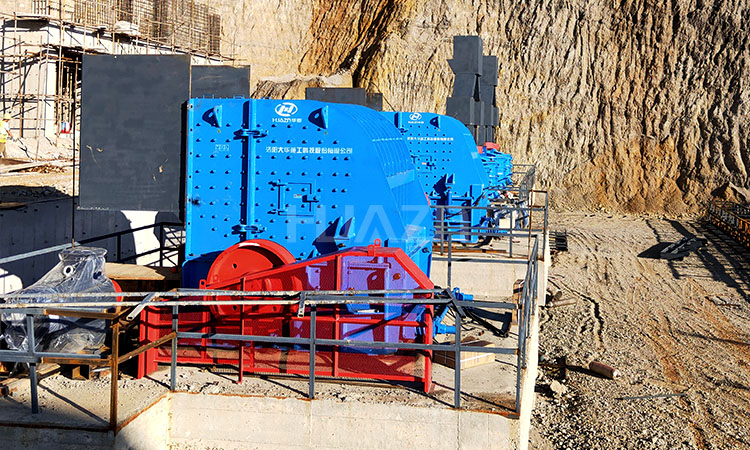
Impact crushers are vital machines in the mining, quarrying, and recycling industries, known for their ability to produce high-quality cubical aggregates. However, like any heavy-duty equipment, one of the most common and concerning problems operators face is abnormal vibration. While a certain level of vibration is normal during operation, excessive or erratic shaking can lead to catastrophic equipment failure, reduced production efficiency, and serious safety hazards. This article explores the primary reasons of abnormal vibration in impact crushers and provides practical, step-by-step solutions to resolve them.

Common Causes of Abnormal Vibration
1. Rotor Imbalance
The rotor is the heart of an impact crusher, spinning at high speeds to generate the necessary crushing force. Even a minor imbalance in the rotor assembly can cause violent vibrations.
2. Worn or Damaged Bearings
Bearings support the rotor shaft and enable smooth rotation. When bearings wear out, overheat, or become contaminated with dust and grit, they create irregular motion. Symptoms include elevated bearing temperatures, unusual noise (grinding or screeching), and severe vibration, often with a characteristic frequency matching the rotor rotation speed.
3. Loose Foundation or Mounting Bolts
An impact crusher must be securely anchored to a concrete foundation. Over time, repeated impact loads can loosen foundation bolts, anchor screws, or frame mounting hardware. This results in the entire machine wobbling, especially during start-up and shutdown. Loose connections also amplify other vibration sources.
4. Uneven Feed Distribution
Feeding material unevenly across the full width of the rotor creates unbalanced crushing forces. If material is consistently fed to one side, the rotor experiences lateral thrust, causing side-to-side vibration. This issue is often accompanied by uneven wear on blow bars and wear plates.
5. Misalignment of the Drive System
The crusher is typically driven by an electric motor or diesel engine via a V-belt or direct coupling. Any misalignment between the motor and the crusher shaft introduces vibration at the rotational frequency of the drive train. Worn or mismatched V-belts, belt slippage, or a damaged flexible coupling can also contribute.
6. Structural Fatigue or Cracks
Continuous impact loading can cause fatigue cracks in the crusher’s frame, base plate, or supporting structure. These cracks allow relative movement between components, generating low-frequency vibrations that worsen as cracks propagate. Visual inspection alone often misses internal cracks.
7. Foreign Objects or Buildup
Accidental entry of tramp metal (e.g., excavator teeth, rock bolts) or hard oversized rocks can strike the rotor, blow bars, or impact plates, causing instantaneous severe vibration. Additionally, sticky materials like clay or wet fines can build up on the rotor, breaker plates, or housing, creating dynamic imbalance.

Solutions to Eliminate Vibration
1. Perform Rotor Dynamic Balancing
Action: After replacing blow bars or any rotor maintenance, always perform a dynamic balance test. Use a portable vibration analyzer to measure amplitude and phase. Add or remove counterweights on the rotor’s balance plates as needed.
2. Inspect and Replace Bearings
Action: Monitor bearing housing vibration and temperature regularly (use a thermal camera or infrared thermometer). If vibration increases beyond allowable limits (typically 4–6 mm/s RMS for crushers) or temperature exceeds 75–80°C, plan for bearing replacement.
3. Tighten and Reinforce Foundation
Action: Stop the crusher and check all foundation bolts with a torque wrench. If bolts are loose, retighten to the specified torque. If concrete is cracked, repair it using epoxy grout or replace the foundation section. Consider adding vibration-damping pads beneath the base frame.
4. Optimize Feed Distribution
Action: Install a feed chute or vibrating feeder that distributes material evenly across the full rotor width. Avoid feeding from a single point (e.g., a conveyor drop). Use a level sensor or camera to monitor the feed pattern.
5. Align Drive System and Replace Belts
Action: Use a laser alignment tool to align the motor and crusher shafts. For V-belt drives, check belt tension (deflection method) and replace any worn or mismatched belts as a complete set. Ensure sheaves (pulleys) are not worn or grooved.
6. Inspect for Structural Cracks
Action: Perform a thorough visual inspection of the crusher frame, especially around weld joints and bolt holes. Use dye penetrant or magnetic particle testing for suspected cracks. Weld repair small cracks with appropriate low-hydrogen electrodes; replace severely cracked components.
7. Remove Foreign Objects and Buildup
Action: If tramp metal is suspected, stop the crusher immediately and inspect the crushing chamber. Remove any foreign objects using appropriate tools (magnetic separators upstream can prevent this). For material buildup, install a blow bar cleaning device or use air cannons.
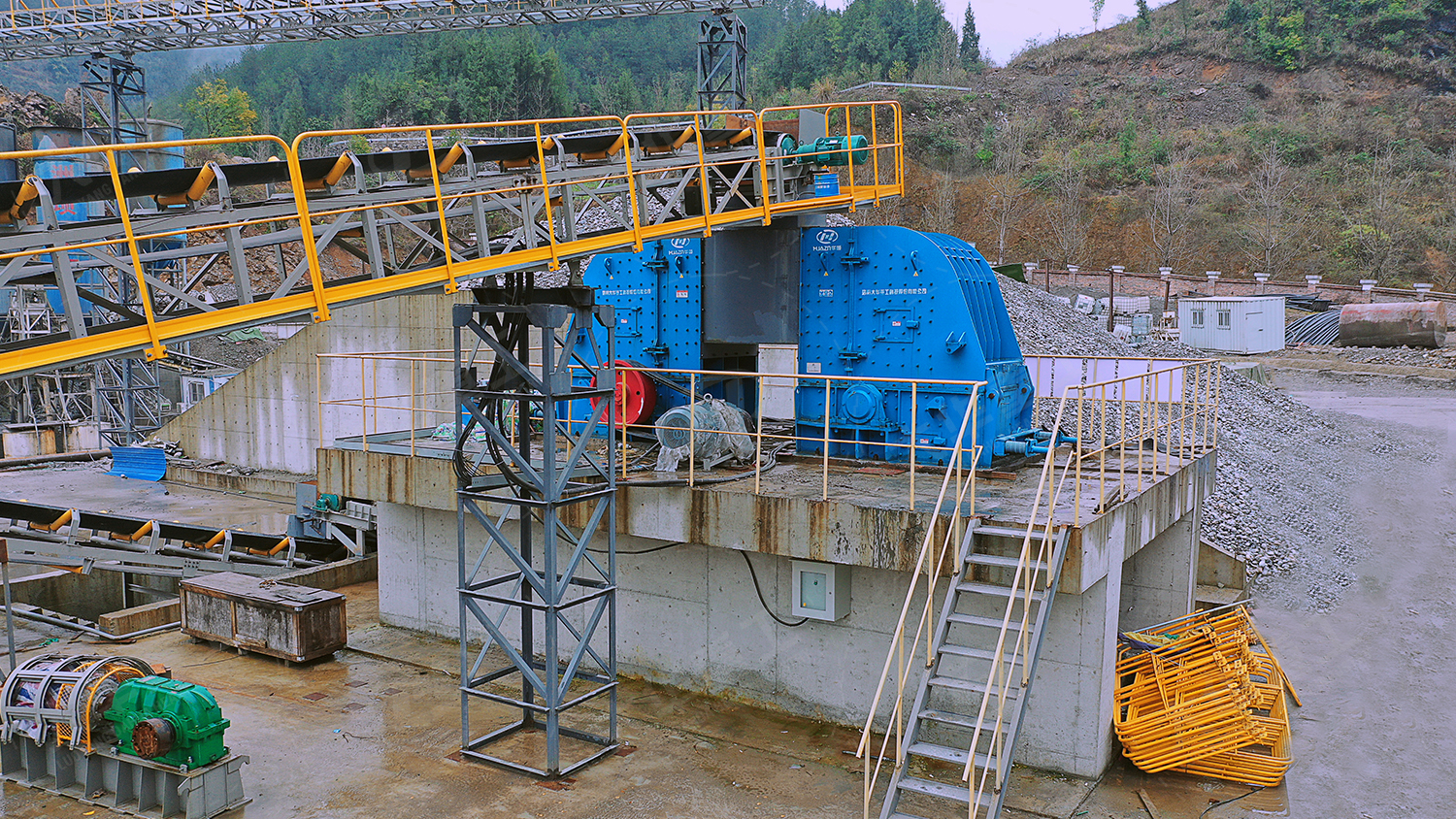
Luoyang Dahua Heavy Industry is a high-tech enterprise with research & development production, sales, and service. Our company not only guarantees the products quality, but also provides perfect after-sales service. Luoyang Dahua has a professional R & D team, a strong after-sales team, from the equipment selection, site inspection, equipment manufacturing, installation, commissioning, delivery and other aspects for your service. If you have any questions, please contact Online Service or by Whatsapp +86 13938852499 at any time.