
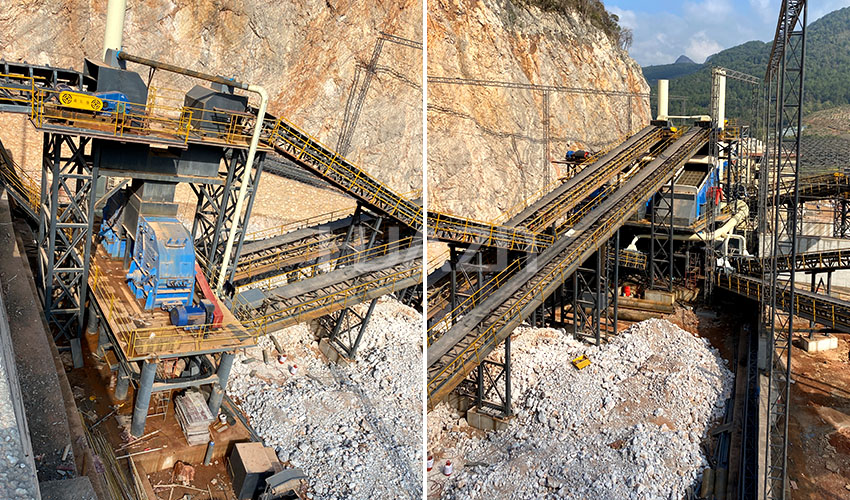
Limestone, with its complex structure comprising both clastic and crystalline components, typically features a low hardness level. This characteristic makes it particularly suitable for specific crushing equipment. Based on extensive industry practice, jaw crushers, impact crushers, and hammer crushers have proven to be the most effective and economical choices for limestone processing. Below is an in-depth look at the main model categories, their technical parameters, and a overview of pricing.
1. Jaw Crushers – Primary Crushing
Jaw crushers are the primary crushing machine for limestone crushing. Modern designs have introduced optimized motion parameters and deep “V-shaped” crushing chambers. This allows material to initiate breakage at the upper section, while the increased stroke at the lower chamber enhances both crushing ratio and throughput. The discharge opening is quickly adjustable, ensuring a uniform product size. An integrated motor bracket simplifies installation, reduces space requirements, and improves overall compactness.
Representative models: DHKS2416, DHKS4230, JC90, JC125, JC160
Typical feed size: ≤1300 mm
Discharge size: 20–300 mm
Capacity range: 7–2000 t/h

2. Impact Crushers – High-Efficiency Secondary Crushing
Impact crushers operate on the principle of impact crushing. Material is repeatedly struck by rotor-mounted blow bars and thrown against impact plates, achieving controlled reduction. These machines feature a robust, rigid body with a high-inertia rotor for stable performance. Hydraulic opening systems and hydraulic discharge adjustment allow quick replacement of wear parts and precise product grading. The optimized frame design enhances joint strength while reducing overall weight, making transportation and maintenance significantly easier.
Representative models: PFQ1320, PFQ1520, PFY1213, PFY1315, ISP1310
Typical feed size: ≤800 mm
Discharge size: 30–40 mm
Capacity range: 50–1200 t/h

3. Hammer Crushers – Compact One-Stage Crushing
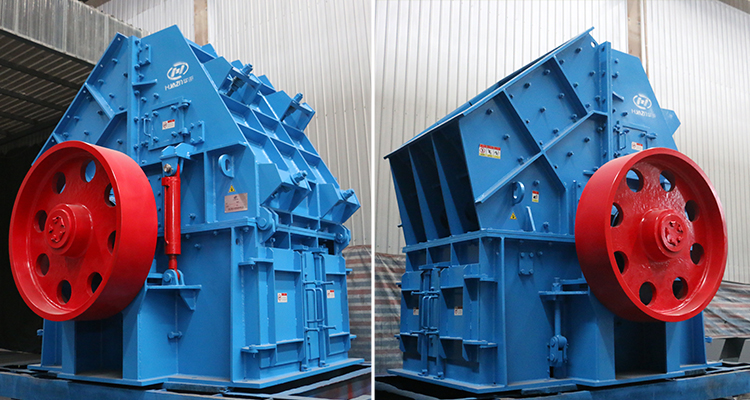
Hammer crushers are distinguished by their compact footprint and ability to achieve primary, secondary, and tertiary reduction in a single pass. The high-speed hammer heads deliver powerful impact forces, and the innovative modular design allows operators to switch between coarse, medium, and fine crushing modes simply by changing the crushing chamber. This versatility eliminates the need for multiple machines, cutting operational costs by approximately 40% while maintaining outstanding efficiency.
Representative models: PCD1412, PCD1615, PCZ-1512, PCZ-1620, PCΦ800×600
Typical feed size: ≤1900 mm
Discharge size: 3–30 mm
Capacity range: 7–2000 t/h
Pricing Factors for Limestone Crushers
The price of a limestone crusher is influenced by multiple variables:
Equipment type and model – larger capacities and advanced hydraulic systems command higher prices.
Configuration and customization – options like motor brand, control systems, and wear-resistant liners add to the cost.
Manufacturer’s production standards – quality of materials, precision machining, and factory testing affect reliability and longevity.
Market dynamics – regional labor costs, shipping distances, and supplier competition create a wide price spectrum.
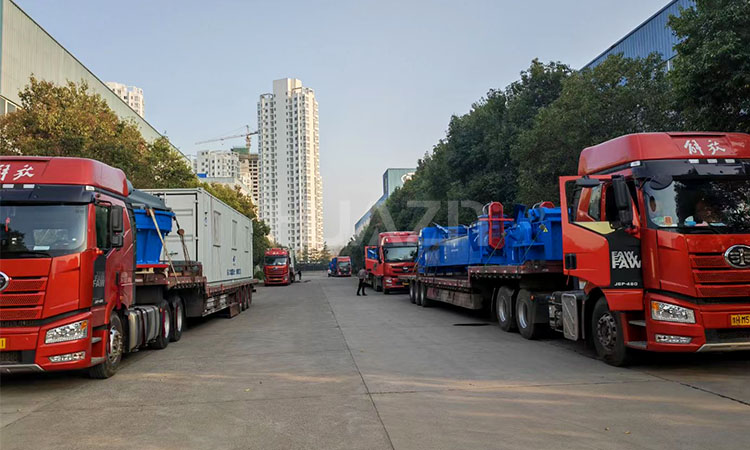
In general, limestone crushers range from several thousand to several hundred thousand US dollars. With over 60 years of continuous innovation, Luoyang Dahua stands out as a premier Chinese manufacturer. The company operates standardized, large-scale production facilities and enforces a rigorous quality control system—every machine undergoes strict pre-delivery testing to ensure reliability and performance. As a direct supplier, Luoyang Dahua offers competitive factory-direct pricing, ample stock availability, and multiple discount programs.