
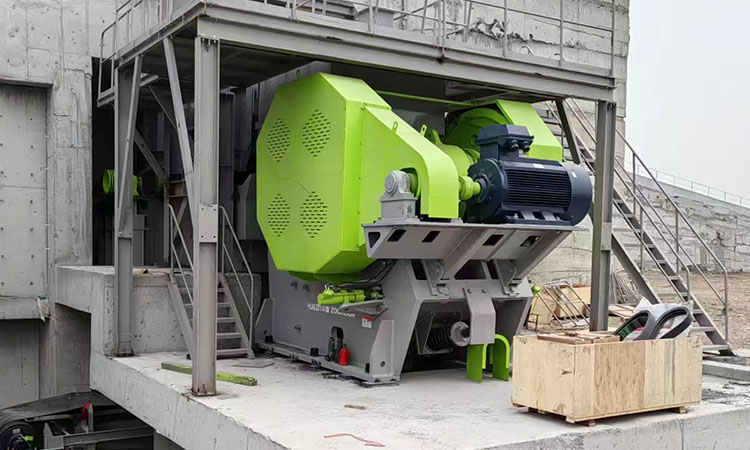
Choosing the right jaw crusher is important for a crushing plant. Some projects need a primary jaw crusher for large rocks, while others need a secondary jaw crusher to produce smaller materials.
What is the difference between coarse crushing and medium crushing jaw crushers? How do you choose the right model? This guide explains the main differences in simple terms.

1. What Is a Primary Jaw Crusher?
A primary jaw crusher is mainly used for the first stage of crushing. It receives large rocks from a quarry or mine and reduces them to smaller sizes for further processing.
Main features:
– Large feed opening for big rocks.
– Suitable for hard materials such as granite, basalt, and iron ore.
– Designed for high-volume primary crushing.
– Usually used before a cone crusher, impact crusher, or other crushing equipment.
Primary jaw crushers are widely used in mining, quarrying, aggregate production, and construction waste recycling.
2. What Is a Secondary Jaw Crusher?
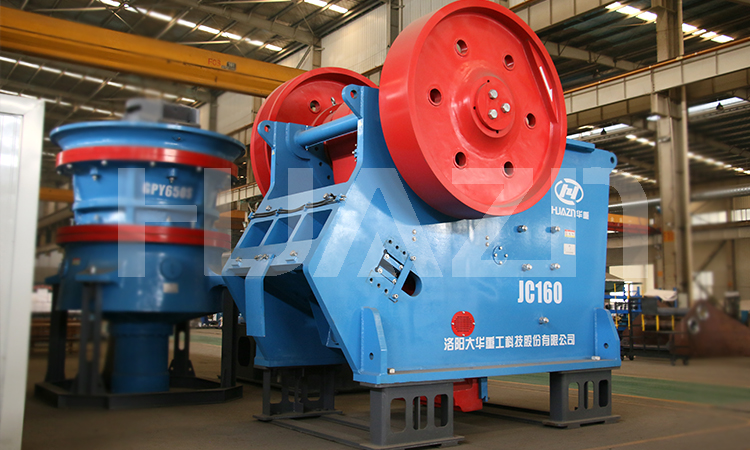
A secondary jaw crusher is used to crush material that has already passed through a primary crusher. It reduces the material further to meet the next processing requirements.
Main features:
– Usually has a smaller feed opening.
– Handles smaller feed materials than a primary jaw crusher.
– Can produce a smaller output size.
– Often used in small or medium crushing plants where a jaw crusher is needed for the second crushing stage.
For example, a primary jaw crusher can reduce large granite rocks, and a secondary jaw crusher can further reduce the crushed material before screening or additional processing.

3. Primary vs. Secondary Jaw Crusher: Key Differences
| Feature | Primary Jaw Crusher | Secondary Jaw Crusher |
| Main purpose | First-stage crushing | Further size reduction |
| Feed material | Large rocks | Smaller, pre-crushed rocks |
| Feed opening | Usually larger | Usually smaller |
| Product size | Generally coarser | Generally finer |
| Typical application | Mines and quarries | Aggregate and small crushing plants |
*Note: Actual feed sizes, discharge sizes, and capacities depend on the crusher model, material properties, and operating conditions. Model names and configurations may vary by manufacturer.*
4. How to Choose the Right Jaw Crusher Model?
When selecting a jaw crusher, consider these four factors.
1. Maximum feed size
Check the largest rock size entering the crusher. The feed opening must be large enough to accept the material safely and efficiently.
2. Required output size
Determine the size of the crushed material required by the next machine or the final product specification.
3. Production capacity
Estimate the required output in tons per hour (t/h). Choose a model that can meet the production target under your actual working conditions.
4. Material hardness
Granite, basalt, and iron ore require different operating considerations from softer materials. Hard and abrasive rock can also affect wear-part life and actual capacity.
Do not choose a model based on capacity alone. Feed size, discharge setting, material hardness, and the complete production line must all be considered.

5. Why Choose Luoyang Dahua Jaw Crushers?
Luoyang Dahua Heavy Industry Science & Technology Co., Ltd. provides crushing and screening equipment for mining, quarrying, and aggregate production.
When choosing a jaw crusher, it is important to match the machine to your project rather than simply select the largest model. Our team can help you evaluate your raw material, maximum feed size, required output, and production capacity to identify a suitable crushing solution. Contact us now to get more information and favorable quotation.