
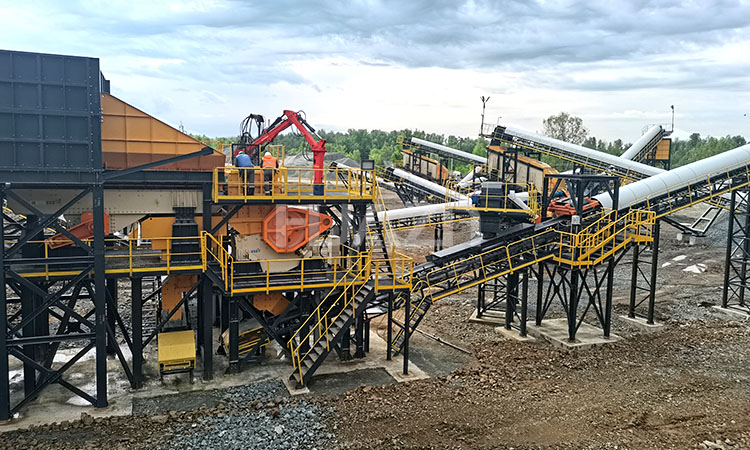
A jaw crusher is an important machine in many industries, such as mining and construction. It breaks large rocks into smaller pieces. Sometimes, the crusher works but its capacity becomes lower than usual. This means it produces less material per hour. This is a common problem. Below are some simple reasons why capacity drops and how to solve them.

1. Check the discharge opening
The discharge opening is at the bottom of the crusher. If this opening is too small, crushed material cannot leave quickly. This slows down the whole process.
Solution: Adjust the discharge opening to the recommended size. Do not make it too small. A slightly larger opening can increase capacity, but it will also make the product a bit coarser. Find a balance that works for your needs.
2. Inspect the jaw plates
Jaw plates are the parts that crush the rocks. Over time, they wear down. Worn plates cannot bite or break rocks effectively. This reduces capacity.
Solution: Check the jaw plates regularly. If they are badly worn, replace them. Also, make sure the plates are not loose or shifted. When installing new plates, tighten them well.
3. Look at the feed
The way you feed material into the crusher is very important. Two common feeding mistakes cause low capacity:
Too much feed: This can block the crushing chamber. The machine cannot handle all the rocks at once.
Too little feed: The crusher runs but does not work at full load. This wastes energy and reduces total output.
Solution: Feed the crusher evenly and continuously. Do not dump a large pile at once. Use a vibrating feeder if possible. Also, make sure the feed size is not too large. Oversize rocks can get stuck and slow everything down.

4. Check the material properties
Hard, wet, or sticky materials are harder to crush. If the material is too hard for your crusher model, capacity will drop. Wet clay or sticky soil can block the crushing chamber and the discharge opening.
Solution:
For hard material: Use a stronger crusher or reduce the feed size before crushing.
For wet or sticky material: Dry the material a little before feeding, or clean the crusher more often.
5. Check belt tension and voltage
The crusher needs enough power to work well. A loose belt can slip, so the motor power does not reach the crusher properly. Low voltage can also make the motor weak.
Solution:
Tighten the belts if they are loose.
Replace old or damaged belts.
Check the voltage at the site. If it is too low, contact an electrician.
6. Keep the crusher clean and lubricated
Lack of lubrication causes parts to wear faster and run with more friction. This makes the crusher work harder and reduces capacity. Always follow the manufacturer’s guide for lubrication. Also, remove any dirt or dust from the crusher base and moving parts.

When you see a drop in capacity, do not start changing many things at once. Stop the crusher and inspect it step by step. Luoyang Dahua Heavy Industry is a high-tech enterprise with research & development production, sales, and service. Our company not only guarantees the products quality, but also provides perfect after-sales service. Luoyang Dahua has a professional R & D team, a strong after-sales team, from the equipment selection, site inspection, equipment manufacturing, installation, commissioning, delivery and other aspects for your service. If you still have any questions, please contact the Online Service or Whatsapp: +86 13938852499.