
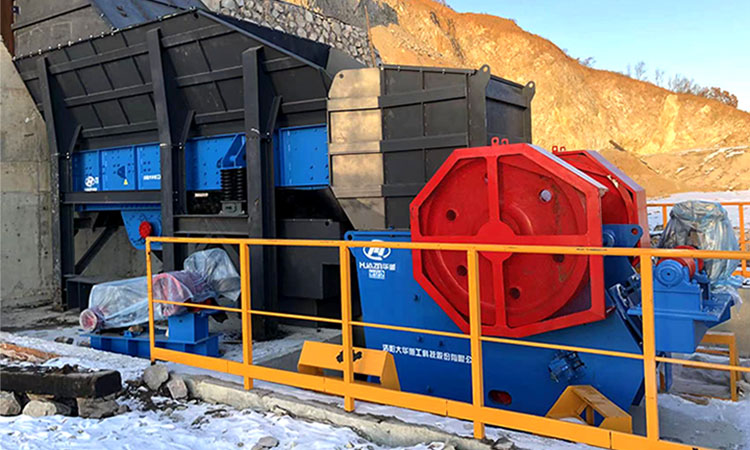
Jaw crushers are widely used in mining, metallurgy, building materials, transportation, water conservancy, and chemical industries for crushing various ores and large bulk materials. They are known for high efficiency, low energy consumption, excellent product shape, and low operating costs. However, many users ask: What is the discharge size of a jaw crusher? And how can it be adjusted? This article provides detailed answers.
What Is the Discharge Size of a Jaw Crusher?
The discharge size of a jaw crusher typically ranges from 20 mm to 300 mm, with an hourly output between 7 and 2,000 tons. Dozens of models are available, and the specific discharge size varies by model and configuration. The key determining factor is the width of the discharge opening (also called the closed side setting, CSS).
Three Common Models and Their Discharge Ranges
DHKS Jaw Crusher: 20 – 250 mm
PEY Steel-Slag Jaw Crusher: 30 – 250 mm
JC Jaw Crusher: 40 – 300 mm
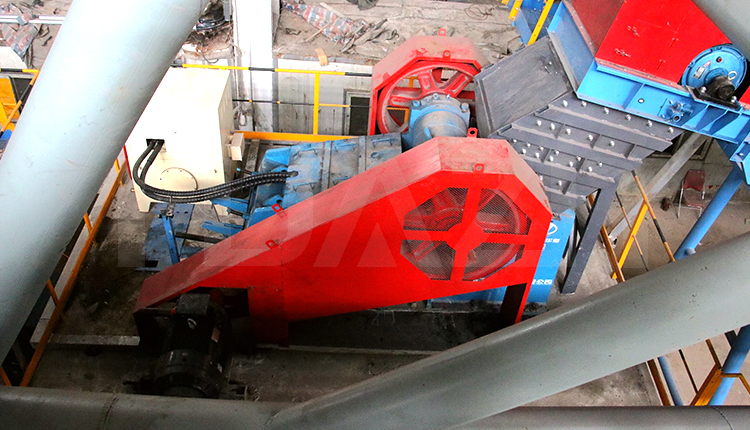
Key Factors Affecting Discharge Size
Discharge Opening Setting
The narrower the opening, the finer the output material. However, a smaller setting reduces production capacity and accelerates wear on the crushing plates.
Crusher Type and Application
Jaw crushers are primarily designed for primary or secondary crushing. If you require a final product smaller than 10 mm, it is usually necessary to follow the jaw crusher with a cone crusher or impact crusher for further reduction.
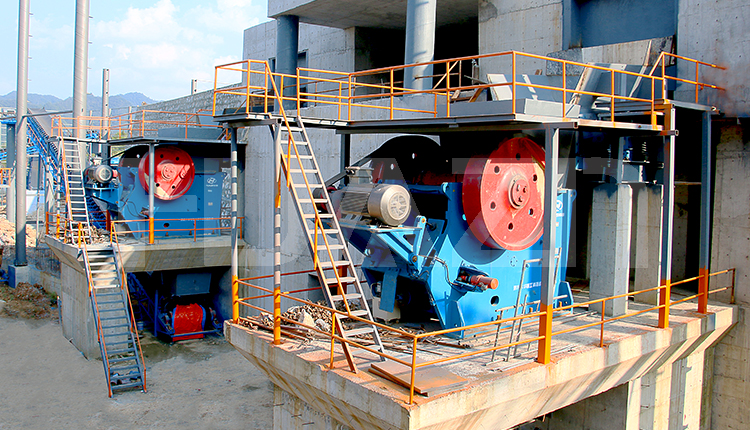
How to Adjust the Discharge Size
1, Gasket adjustment
The top bolt is utilized to access the adjusting seat, where inspection of the rear thrust plate support and the rear wall of the frame takes place. A set of spacers with equal thickness are added or removed accordingly, in order to increase or decrease the discharge opening size of the crusher. The adjustment device of this kind features a simple structure, compact design, and minimal increase in overall weight, making it widely utilized.
2, Hydraulic adjustment
The rear thrust plate serves as the safety assembly of the crusher, and a hydraulic safety device is equipped in most jaw crushers to automatically adjust the size of the discharge opening. This ensures reliable and secure operation while facilitating fault clearance.
3, The utilization of inclined iron auxiliary adjustment
The transmission device enables the rear inclined iron to lift and the front inclined iron to move horizontally. The size of the discharge port can be adjusted accordingly when the rear inclined iron is raised or lowered. The adjustment device enables seamless adjustment without the need for interruption during the process.
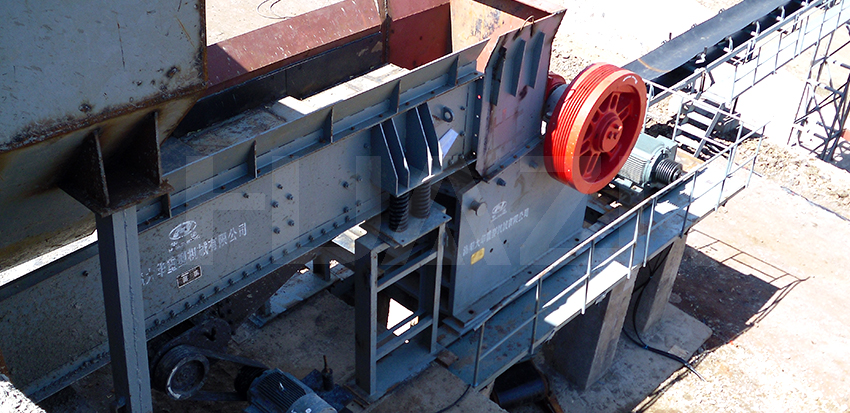
4, Electric control mechanism
The electronic control mechanism enables efficient and precise adjustment and detection of the crusher, ensuring highly accurate control over particle size levels. This eliminates the need for repetitive operations and provides a significant level of differentiation and precision.
5, Support device adjustment
The bearing part of the jaw crusher utilizes a plain bearing cast with babbitt alloy, which exhibits excellent resistance to wear and can withstand significant impact loads. However, it operates at a relatively low efficiency and necessitates forced lubrication.
Luoyang Dahua Heavy Industry is a high-tech enterprise with research & development production, sales, and service. Our company not only guarantees the products quality, but also provides perfect after-sales service. Luoyang Dahua has a professional R & D team, a strong after-sales team, from the equipment selection, site inspection, equipment manufacturing, installation, commissioning, delivery and other aspects for your service.
