
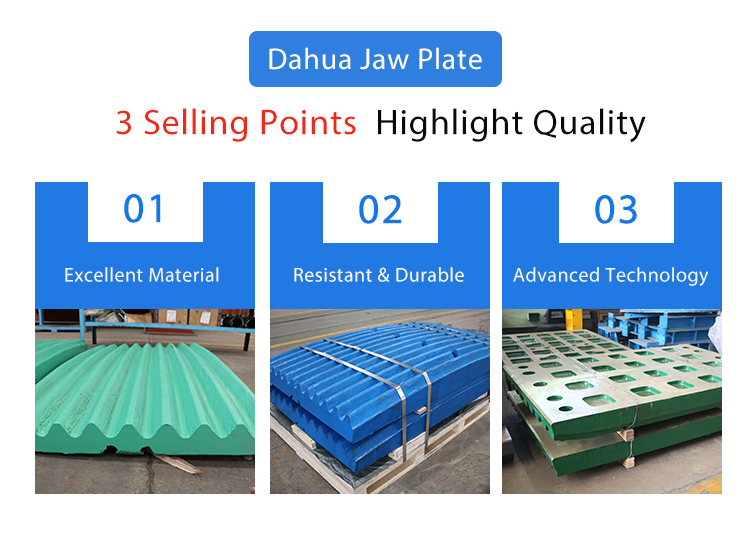
Jaw crushers are the primary crushing equipment in mining, quarrying, and aggregate production. Among all wear parts, jaw plates experience the highest wear because they are in direct contact with the feed material during crushing. Proper operation and regular maintenance of jaw plates not only reduce operating costs but also improve crushing efficiency, extend equipment life, and minimize unexpected downtime. This article explains how to maximize jaw plate performance through proper use and maintenance.
Factors That Affect Jaw Plate Wear
Several factors determine how quickly jaw plates wear.
1. Material Hardness
Hard rocks such as granite, basalt, quartzite, and iron ore generate much more abrasion than limestone or sandstone. The harder the material, the faster the jaw plates wear.
2. Feed Size
Oversized feed materials create excessive impact forces on the jaw plates. To reduce wear:
- Keep feed size within the crusher’s recommended range.
- Use a vibrating feeder for even material distribution.
Uniform feeding significantly extends jaw plate life.

3. Material Moisture and Clay Content
Wet or sticky materials can accumulate inside the crushing chamber, causing uneven wear and reducing crushing efficiency.
If processing materials with high moisture content:
- Remove excessive clay before crushing.
- Clean the crushing chamber regularly.
4. Operating Conditions
Continuous overloading, unstable feeding, or frequent start-stop cycles accelerate jaw plate wear.
A stable and consistent production process helps achieve longer service life.
How to Extend Jaw Plate Service Life
Feed the Crusher Evenly
One of the most common reasons for uneven jaw plate wear is improper feeding.
Good feeding practices include:
- Feeding material into the center of the crushing chamber.
- Maintaining a continuous material flow.
- Avoiding overloading.
- Preventing empty chamber operation whenever possible.
Balanced feeding distributes wear evenly across both jaw plates.
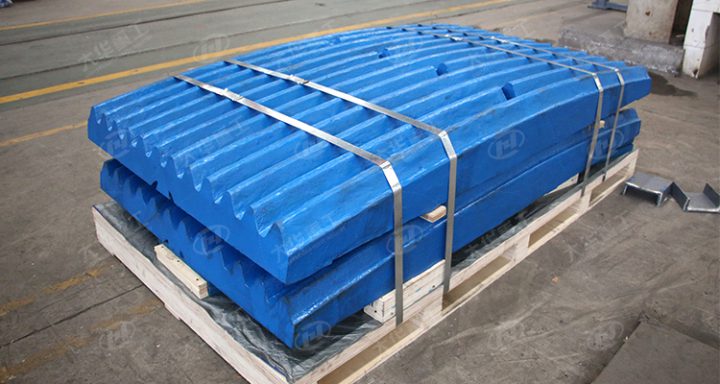
Rotate or Reverse Jaw Plates
Many jaw plates are designed with a symmetrical profile.
When one side becomes worn, the plate can often be rotated or reversed before replacement.
- Better utilization of wear material
- Lower replacement costs
- Longer maintenance intervals
Always follow the manufacturer’s recommendations before rotating jaw plates.
Inspect Wear Regularly
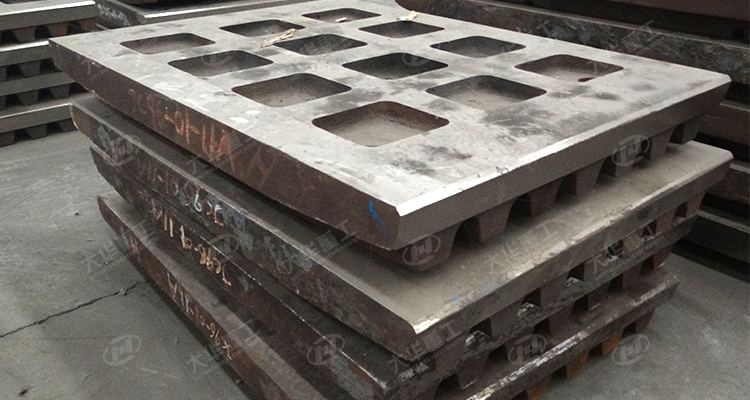
Routine inspections help detect wear before it affects production. Check for:
- Tooth profile wear
- Surface cracks
- Loose bolts
- Uneven wear patterns
- Broken teeth
Scheduled inspections reduce the risk of unexpected failures.
Tighten Fasteners Properly
Loose jaw plate bolts can cause vibration and movement during crushing. This may result in:
- Accelerated wear
- Bolt failure
- Damage to the crusher body
Always tighten bolts according to the recommended torque values after installation and during maintenance.
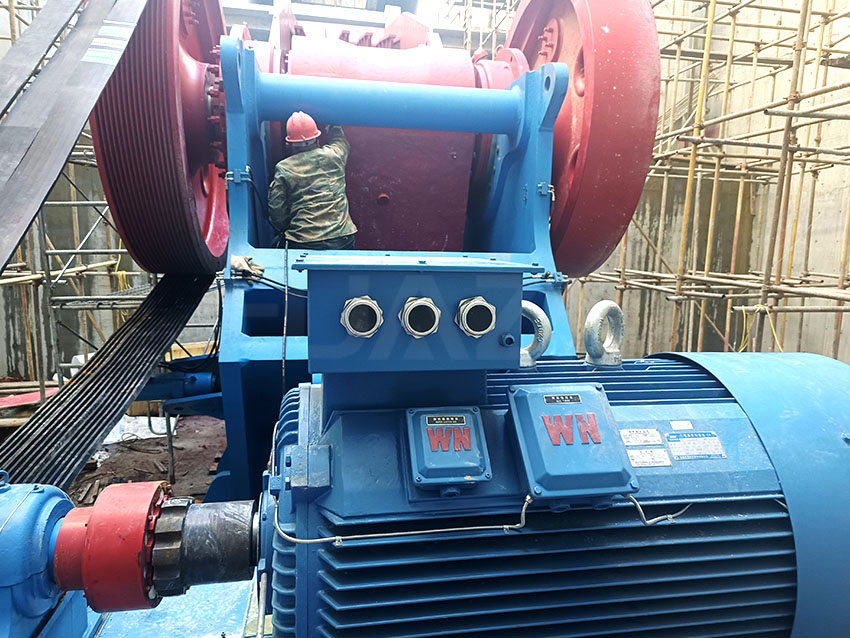
Jaw plates are among the most critical wear parts in a jaw crusher. Proper material selection, correct installation, regular inspection, and consistent feeding practices can dramatically extend their service life while improving crushing efficiency. For quarry operators and mining companies, investing in quality jaw plates and preventive maintenance not only reduces downtime but also lowers the overall cost per ton of production.
Looking for reliable jaw crushers and premium replacement jaw plates? Our experienced engineering team provides durable crushing solutions, customized wear parts, and professional technical support to help maximize your productivity and reduce operating costs.