
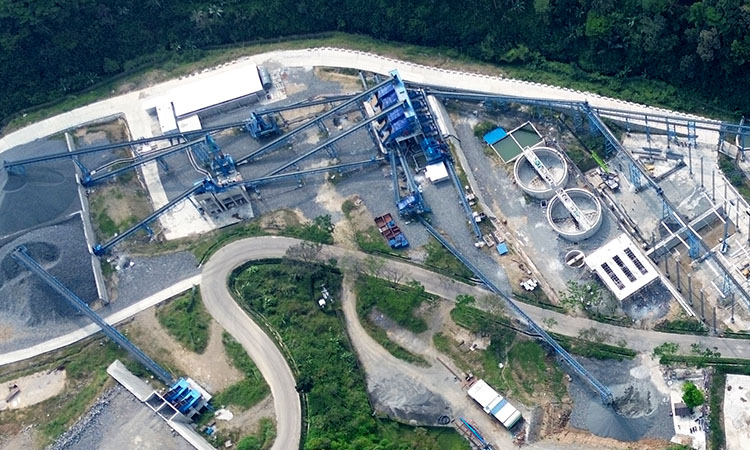
Dolomite is a carbonate mineral composed of calcium magnesium carbonate (CaMg(CO₃)₂). It is widely used in construction, agriculture, ceramics, glass manufacturing, and as a filler in various industries. Choosing the right crusher for dolomite is crucial to achieving the desired particle size, shape, and production efficiency. This article explores the types of crushers suitable for dolomite and provides insights into selecting the best one for your specific needs.

1. Understanding Dolomite’s Properties
Before selecting a crusher, it’s important to understand the physical and chemical characteristics of dolomite:
Hardness: Dolomite ranks 3.5–4 on the Mohs hardness scale, making it moderately hard but slightly harder than limestone.
Abrasiveness: It is mildly abrasive due to its crystalline structure.
Compressive Strength: Dolomite has a compressive strength of 100–150 MPa, which influences the crushing method.
These properties make dolomite suitable for compression crushing and impact crushing, but the choice of equipment depends on the required output size and capacity.

2. Common Crushers for Dolomite
Here are the most effective crushers for processing dolomite:
a. Jaw Crusher (Primary Crushing)
Jaw crusher uses a fixed jaw plate and a moving jaw plate compressing the material against each other, it is mainly applied for the coarse crushing of large dolomite rocks (300–1500mm).
Advantages:
High durability and reliability.
Handles large feed sizes.
Low maintenance.

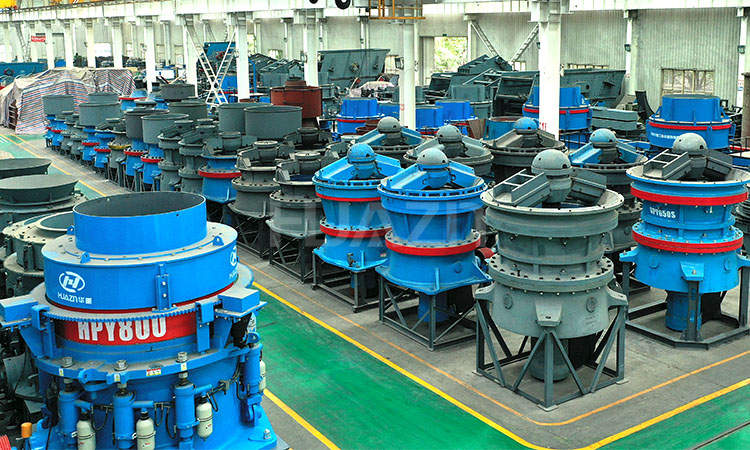
b. Cone Crusher (Secondary/Tertiary Crushing)
Cone crusher is suitable for the medium to fine crushing of dolomite (20–100mm). The material is compressed between an eccentrically rotating mantle and a concave.
Advantages:
Produces uniform, cubical-shaped particles.
High efficiency and low operating costs.
Suitable for abrasive materials like dolomite.
c. Impact Crusher (Secondary/Tertiary Crushing)
Impact crusher is used to produce fine aggregates and manufactured sand (0–40mm). Material is struck by hammers or blow bars attached to a fast-rotating rotor.
Advantages:
High reduction ratio.
Excellent particle shape (cubical).
Versatile for various feed sizes.

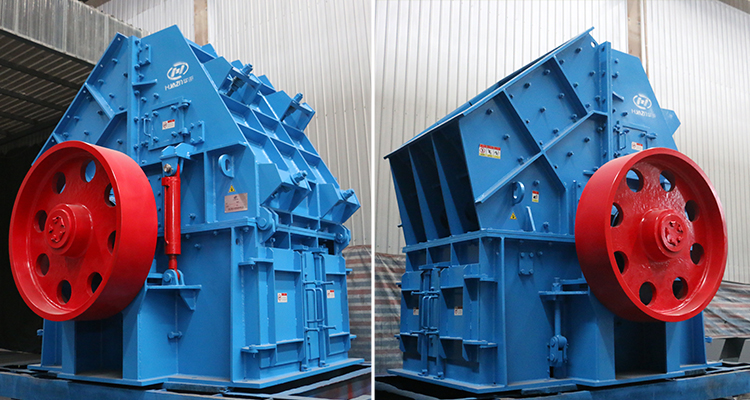
d. Hammer Crusher (Fine Crushing)
Hammer crusher uses rotating hammers striking and grinding the material against a breaker plate. Fine grinding of dolomite (0–25mm) for industries like agriculture or glass manufacturing.
Advantages:
Simple structure and low cost.
High output for fine products.
e. Roll Crusher (Specialized Use)
Roll crusher applies two rotating rolls compress and shear the material. It is suitable for producing narrow particle size distributions (e.g., 0–10mm).
Advantages:
Low fines generation.
Energy-efficient.

3. Factors to Consider When Choosing a Crusher
To select the optimal crusher for dolomite, evaluate the following:
Feed Size: Large rocks require jaw crushers for primary crushing.
Output Size: For fine aggregates, impact or cone crushers are ideal.
Capacity: High-tonnage operations may need cone or impact crushers.
Cost: Impact crushers have lower initial costs but higher wear part expenses.

4. Recommended Crushing Flow for Dolomite
For most dolomite processing plants, a combination of crushers yields the best results:
Primary Crushing: Jaw crusher (reduce large rocks to 100–150mm).
Secondary Crushing: Cone crusher or impact crusher (produce 20–40mm aggregates).
Tertiary Crushing: Impact crusher or hammer crusher (manufacture sand or fine powder).

The best crusher for dolomite depends on your application requirements. For primary crushing, a jaw crusher is indispensable. For secondary and tertiary stages, cone crushers offer durability and uniform shape, while impact crushers provide higher reduction ratios for fine aggregates. Always consider factors like feed size, capacity, and budget to make an informed decision. Luoyang Dahua Heavy Industry is a high-tech enterprise with research & development production, sales, and service. The mobile crushing station has been successfully applied in domestic and foreign mine crushing projects. The company has a professional R & D team, a strong after-sales team, from the equipment selection, site inspection, equipment manufacturing, installation, commissioning, delivery and other aspects for your service.