
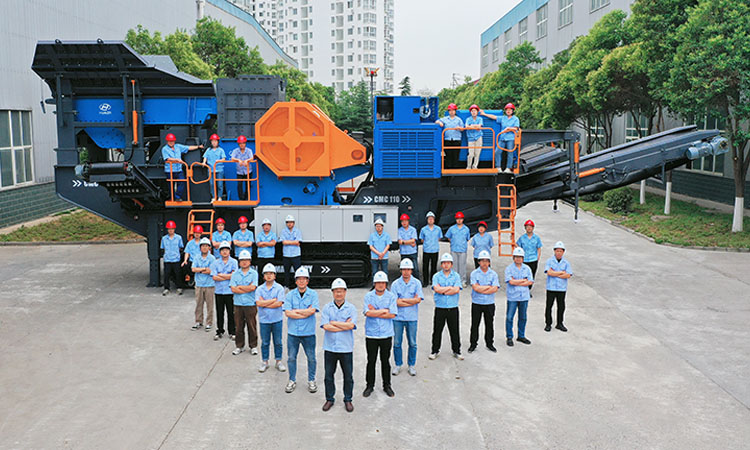
Mobile crushing plants have become indispensable in modern quarrying, mining, and construction due to their flexibility and efficiency. Choosing the right model requires careful evaluation of multiple factors. Here are the critical aspects to consider and a guide on how to select the most suitable mobile crushing plant.

- Application & Material Properties
Material Type: Determine the hardness, abrasiveness, size, and moisture content of the raw material (e.g., granite, limestone, recycled concrete). This directly impacts the choice of crusher type.
Final Product Requirements: Define the required output size, shape, and gradation. Different crushers (jaw, cone, impact) produce different particle shapes.
End-Use: Whether the product is for base layers, asphalt aggregate, or railway ballast influences the needed specifications.

- Crusher Type and Configuration
Primary Crusher Options: Jaw crushers are robust for hard, abrasive materials. Impact crushers excel at softer materials and offer excellent shape for recycling.
Secondary/Tertiary Crushing: Cone crushers are preferred for hard, abrasive secondary crushing. Impact crushers can also serve as primary and secondary units, especially when shape is paramount.
Plant Design: Choose between single-stage (for simpler needs) and multi-stage crushing setups (for precise, high-quality aggregates). Closed-circuit plants with a screening unit and recirculating conveyor allow for precise product control.

- Mobility and Logistics
Transport Dimensions: Check weight, width, height, and length to ensure compliance with road transport regulations in your region without requiring special permits.
Site Mobility: Consider the plant’s mobility within the site. Track-mounted plants offer superior on-site maneuverability and stability on rough terrain. Wheel-mounted units are often easier to relocate between distant sites via truck.
Setup Time: Evaluate how quickly the plant can be set up or dismantled. Hydraulic folding mechanisms for conveyors and screens significantly reduce downtime.
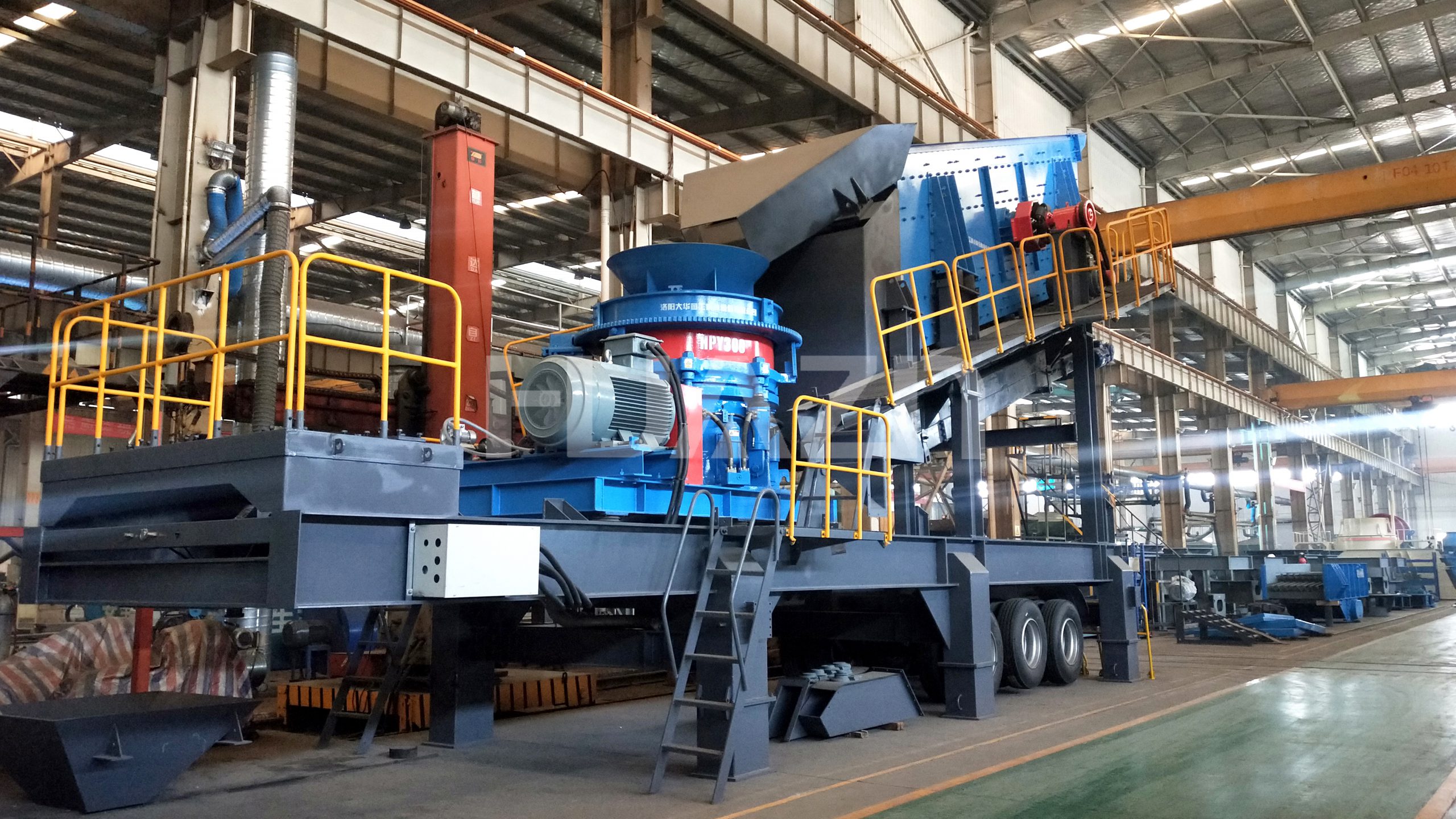
- Capacity and Efficiency
Throughput (tph): Match the plant’s designed hourly capacity with your project’s volume requirements, allowing for some overhead.
Fuel Efficiency & Power Source: Diesel-electric drives are common for full independence. Consider plants with energy-saving features (e.g., direct crusher drive, ECO modes) to lower operating cost.
Automation & Control Systems: Modern plants with PLC systems and remote monitoring enable optimal performance, quick troubleshooting, and lower labor costs.

- Operational and Maintenance Factors
Ease of Maintenance: Look for easy access to service points (like the crusher, engine, and hydraulic system), centralized lubrication, and wear part replacement simplicity.
Durability & Component Quality: Assess the build quality, the strength of the chassis, and the reputation of key components (engine, crusher, hydraulics).
Dust and Noise Suppression: Ensure the plant meets environmental regulations with integrated water spraying systems, dust encapsulation, or acoustic covers if needed for urban or sensitive areas.

Luoyang Dahua Heavy Industry is a high-tech enterprise with research & development production, sales, and service. The mobile crushing station has been successfully applied in domestic and foreign mine crushing projects. The company has a professional R & D team, a strong after-sales team, from the equipment selection, site inspection, equipment manufacturing, installation, commissioning, delivery and other aspects for your service.